
In recent years, food tourism has emerged as a significant trend within the broader travel industry, captivating the interest of travelers who seek to explore new cultures through their culinary offerings. This phenomenon is not merely about eating; it encompasses a deep dive into the local food scene, where travelers engage with the history, traditions, and people behind the dishes they savor. The rise of social media platforms, particularly Instagram and TikTok, has played a pivotal role in this trend, as visually appealing food content encourages individuals to seek out unique dining experiences.
Travelers are increasingly motivated by the desire to share their gastronomic adventures online, leading to a surge in food-centric travel itineraries. Moreover, the COVID-19 pandemic has further accelerated this trend. As people emerged from lockdowns, there was a renewed appreciation for local experiences, including food.
Many travelers began to prioritize destinations that offered authentic culinary experiences over traditional tourist attractions. This shift has led to a growing demand for food tours, cooking classes, and immersive dining experiences that allow visitors to connect with local chefs and artisans. The desire to support local economies and sustainable practices has also influenced this trend, as travelers seek out experiences that align with their values while indulging in the pleasures of food.
Key Takeaways
- Food tourism is on the rise, with travelers seeking out unique culinary experiences around the world.
- Culinary experiences and immersive travel allow tourists to engage with local food culture and traditions.
- Farm-to-table and sustainable dining options are becoming increasingly popular among food tourists.
- Fusion cuisine and cross-cultural influences are shaping the culinary landscape, offering diverse and innovative flavors.
- Culinary classes, workshops, food festivals, and events provide opportunities for hands-on learning and exploration of different cuisines.
Culinary Experiences and Immersive Travel
Culinary experiences have evolved into immersive travel opportunities that allow individuals to engage with local cultures on a deeper level. These experiences often include hands-on activities such as cooking classes, market tours, and farm visits, where travelers can learn about the ingredients and techniques that define a region’s cuisine. For instance, in Thailand, visitors can participate in a traditional cooking class that begins with a guided tour of a local market.
Here, they can select fresh produce and spices before returning to a local chef’s home or a cooking school to prepare authentic dishes like Pad Thai or Green Curry. This not only provides a unique culinary experience but also fosters a connection with the local community. In addition to cooking classes, immersive dining experiences have gained popularity.
These can range from dining in a local family’s home to participating in pop-up dinners hosted by renowned chefs. For example, in Italy, travelers can enjoy a meal prepared by a local family in their home, where they learn about regional recipes passed down through generations. Such experiences allow visitors to savor authentic flavors while gaining insights into the cultural significance of the dishes being served.
This blend of education and enjoyment creates lasting memories and fosters a deeper appreciation for the culinary arts.
Farm-to-Table and Sustainable Dining
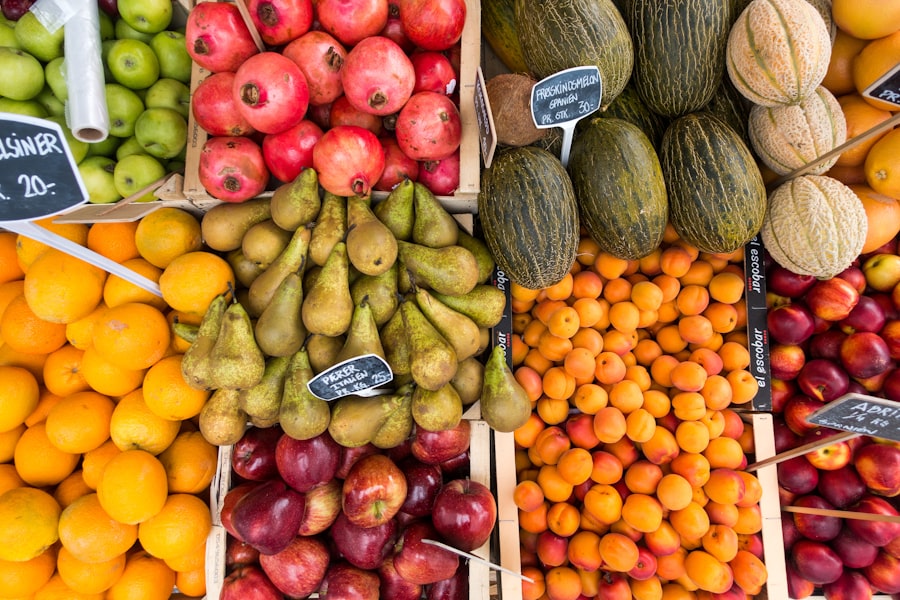
The farm-to-table movement has gained momentum as consumers become increasingly aware of the environmental impact of their food choices. This approach emphasizes sourcing ingredients directly from local farms and producers, ensuring freshness while supporting sustainable agricultural practices. Many restaurants now proudly display their partnerships with nearby farms on their menus, highlighting the journey of each ingredient from field to plate.
This not only enhances the dining experience but also educates consumers about the importance of sustainability in food production. Travelers are increasingly seeking out destinations that prioritize sustainable dining options. For instance, in California’s Napa Valley, numerous restaurants focus on seasonal menus that change based on what is available from local farms.
Diners can enjoy dishes made with organic vegetables, grass-fed meats, and sustainably caught seafood, all while enjoying stunning vineyard views. This commitment to sustainability not only benefits the environment but also enriches the culinary experience by showcasing the best of what each season has to offer. As more travelers become conscious of their food choices, the demand for farm-to-table dining experiences continues to grow.
Fusion Cuisine and Cross-Cultural Influences
Fusion cuisine represents an exciting intersection of culinary traditions from different cultures, resulting in innovative dishes that reflect a globalized world. This culinary trend has gained traction as chefs experiment with flavors and techniques from various regions, creating unique dining experiences that challenge traditional notions of cuisine. For example, Korean tacos—a delightful blend of Korean barbecue and Mexican street food—have become a popular dish in many urban areas across the United States.
This dish exemplifies how cultural influences can merge to create something entirely new and delicious. The rise of fusion cuisine is also indicative of broader societal changes, as increased globalization facilitates cultural exchange. Chefs are now more inspired than ever to incorporate diverse ingredients and cooking methods into their menus.
In cities like New York and Los Angeles, one can find restaurants that serve dishes such as sushi burritos or Indian-inspired pizza, showcasing how culinary boundaries are continually being redefined. This cross-cultural influence not only enriches the dining landscape but also encourages diners to embrace new flavors and culinary traditions from around the world.
Culinary Classes and Workshops
Culinary classes and workshops have become essential components of food tourism, offering travelers an opportunity to learn directly from skilled chefs and local artisans. These classes often cater to various skill levels, from beginners eager to learn basic cooking techniques to seasoned cooks looking to refine their skills or explore new cuisines. In places like Paris, cooking schools offer immersive experiences where participants can learn how to make classic French pastries or traditional dishes like coq au vin under the guidance of experienced chefs.
Beyond traditional cooking classes, workshops focusing on specific techniques or ingredients have also gained popularity. For instance, in Japan, travelers can participate in sushi-making workshops where they learn about the art of selecting fresh fish and mastering the delicate balance of flavors in sushi rice. These hands-on experiences not only provide practical skills but also foster a deeper understanding of the cultural significance behind each dish.
By engaging with local culinary traditions in this way, travelers leave with not just recipes but also stories and connections that enhance their overall travel experience.
Food Festivals and Events
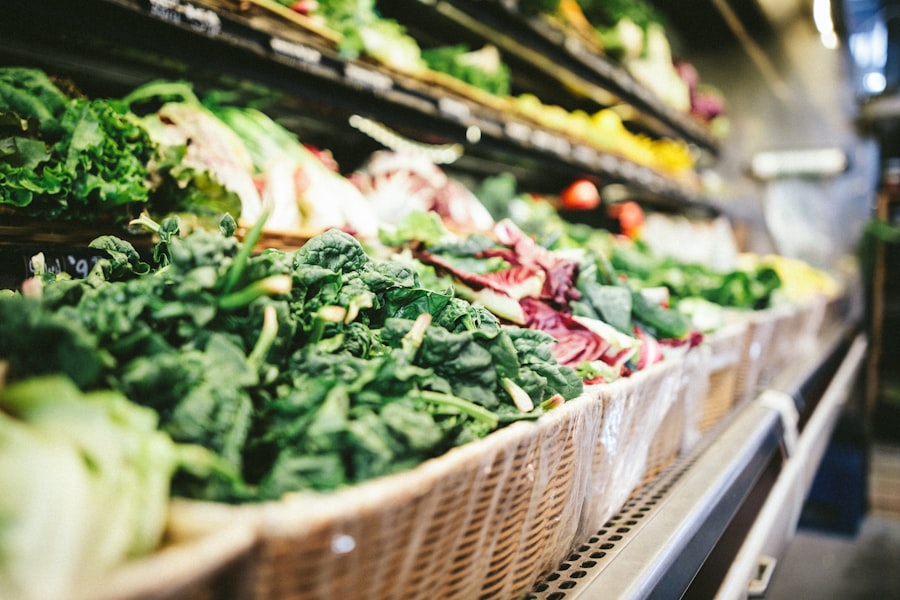
Food festivals have become vibrant celebrations of culinary culture, drawing visitors from around the globe who are eager to indulge in diverse flavors and culinary traditions. These events often showcase local chefs, artisans, and producers who come together to highlight regional specialties and innovative dishes. For example, the annual Taste of Chicago festival features hundreds of vendors offering everything from deep-dish pizza to gourmet desserts, allowing attendees to sample a wide array of dishes in one location.
In addition to celebrating local cuisine, many food festivals also emphasize sustainability and ethical sourcing practices. Events like the Slow Food Festival promote awareness about the importance of preserving traditional food practices while supporting local farmers and producers. These festivals often include workshops, tastings, and discussions that educate attendees about sustainable agriculture and responsible eating habits.
By participating in these events, travelers not only enjoy delicious food but also gain insights into the cultural significance of what they are consuming.
Food and Wine Pairing Tours
Food and wine pairing tours have gained popularity among travelers seeking to enhance their culinary experiences through thoughtful combinations of flavors. These tours often take participants through vineyards or wineries where they can learn about the winemaking process while sampling various wines paired with local dishes. In regions like Tuscany or Bordeaux, visitors can enjoy guided tastings that highlight how specific wines complement traditional regional cuisine.
The art of pairing food with wine is steeped in tradition and requires an understanding of flavor profiles and textures. For instance, a rich red wine may pair beautifully with hearty meat dishes, while lighter white wines often complement seafood or vegetable-based meals. Many tours also include visits to local markets or farms where participants can select fresh ingredients for their meals before returning to a vineyard for an exquisite dining experience under the stars.
This combination of education and indulgence creates memorable moments for travelers who appreciate both fine dining and quality wines.
Culinary Travel Apps and Technology
The advent of technology has transformed how travelers approach culinary tourism, with numerous apps designed to enhance their gastronomic adventures. These applications provide users with access to restaurant reviews, recommendations for local eateries, cooking classes, and even guided food tours—all at their fingertips. For instance, apps like Yelp or TripAdvisor allow users to search for dining options based on location, cuisine type, or user ratings, making it easier than ever to discover hidden gems in unfamiliar cities.
Moreover, technology has facilitated connections between travelers and local chefs or food enthusiasts through platforms like Airbnb Experiences or EatWith. These platforms enable users to book unique culinary experiences directly with locals who offer cooking classes or home-cooked meals in their residences. Such innovations not only enhance the travel experience but also foster cultural exchange by connecting visitors with locals who share their passion for food.
As technology continues to evolve, it will undoubtedly play an increasingly important role in shaping the future of culinary tourism.
One interesting trend in the world of culinary tourism is the rise of food-focused travel credit cards. These cards offer rewards and cash back specifically tailored to foodies who love to explore new cuisines and dining experiences. For more information on the top rewards and cash back cards for 2024, check out this article on TakeTopTech.


