
Photography equipment selection is a critical aspect of capturing high-quality images. The primary decision involves choosing between DSLR and mirrorless cameras, each with distinct advantages and disadvantages. Factors such as size, weight, and image quality should be considered when making this choice.
High-quality lenses are essential for achieving sharp, detailed photographs. Prime lenses excel in portrait and low-light photography, while zoom lenses offer versatility for various subjects. Additional accessories like tripods, filters, and memory cards can enhance the overall photography experience.
For those preferring smartphone photography, numerous accessories are available to improve image quality. These include external lenses, tripods, and editing applications. The selection of equipment ultimately depends on individual photography needs and preferences.
Camera options include DSLRs, mirrorless cameras, and smartphones, each with unique features and capabilities. Careful consideration of these options is necessary to match the equipment to the photographer’s requirements. Investing in appropriate equipment, regardless of skill level, is fundamental to producing exceptional photographs.
Key Takeaways
- Choose equipment that suits your style and needs, whether it’s a DSLR, mirrorless camera, or smartphone.
- Understand the rule of thirds, leading lines, and framing to create visually appealing compositions.
- Utilize natural light to enhance the mood and atmosphere of your photographs.
- Capture authentic moments by being patient, observant, and ready to click at the right time.
- Research and plan your shoot location, timing, and potential subjects to maximize your chances of getting great shots.
- Engage with locals to gain insight, build rapport, and capture genuine emotions in your photographs.
- Use post-processing and editing techniques to enhance your images and bring out the best in your photography.
Understanding Composition and Framing
The Rule of Thirds
Composition and framing are essential skills for creating visually appealing photographs. The rule of thirds is a fundamental principle in photography that involves dividing the frame into nine equal sections using two horizontal and two vertical lines. Placing key elements along these lines or at their intersections can create a balanced and visually pleasing composition.
Leading Lines and Depth
Additionally, leading lines can be used to draw the viewer’s eye into the image and create a sense of depth. By incorporating elements such as roads, fences, or rivers, leading lines can add visual interest to your photos. Furthermore, paying attention to framing can help create a sense of context and perspective in your photographs.
Framing and Visual Interest
Framing involves using elements within the scene to frame the main subject, drawing attention to it and adding depth to the image. Whether it’s a natural frame such as an archway or window, or a man-made frame like a door or tunnel, framing can add visual interest and guide the viewer’s eye. Understanding composition and framing is essential for creating visually compelling photographs that capture the viewer’s attention.
Utilizing Natural Light

Utilizing natural light is essential for capturing stunning photographs. The golden hour, which occurs during sunrise and sunset, provides soft, warm light that can enhance the mood and atmosphere of your images. During this time, the low angle of the sun creates long shadows and a beautiful golden glow that can add depth and dimension to your photos.
Additionally, diffused light on overcast days can create soft and even lighting that is ideal for portraits and close-up shots. On the other hand, harsh midday sunlight can create unflattering shadows and highlights that can be challenging to work with. In these situations, finding shade or using a diffuser or reflector can help soften the light and create more flattering portraits.
Understanding how to work with natural light is essential for capturing stunning photographs in a variety of lighting conditions. Utilizing natural light is essential for capturing stunning photographs. The golden hour, which occurs during sunrise and sunset, provides soft, warm light that can enhance the mood and atmosphere of your images.
During this time, the low angle of the sun creates long shadows and a beautiful golden glow that can add depth and dimension to your photos. Additionally, diffused light on overcast days can create soft and even lighting that is ideal for portraits and close-up shots. On the other hand, harsh midday sunlight can create unflattering shadows and highlights that can be challenging to work with.
In these situations, finding shade or using a diffuser or reflector can help soften the light and create more flattering portraits. Understanding how to work with natural light is essential for capturing stunning photographs in a variety of lighting conditions.
Capturing Authentic Moments
Capturing authentic moments is essential for creating compelling photographs that tell a story. Candid photography involves capturing genuine emotions and interactions without posing or staging the scene. This approach allows you to capture authentic moments that convey emotion and spontaneity, creating images that feel genuine and relatable.
Whether it’s a candid portrait or a street scene, capturing authentic moments can add depth and authenticity to your photographs. On the other hand, posed photography allows you to have more control over the composition and lighting of your images. This approach is ideal for creating formal portraits or capturing specific moments in a controlled environment.
However, even in posed photography, it’s important to capture genuine emotions and interactions to create authentic and compelling images. Capturing authentic moments is essential for creating compelling photographs that tell a story. Candid photography involves capturing genuine emotions and interactions without posing or staging the scene.
This approach allows you to capture authentic moments that convey emotion and spontaneity, creating images that feel genuine and relatable. Whether it’s a candid portrait or a street scene, capturing authentic moments can add depth and authenticity to your photographs. On the other hand, posed photography allows you to have more control over the composition and lighting of your images.
This approach is ideal for creating formal portraits or capturing specific moments in a controlled environment. However, even in posed photography, it’s important to capture genuine emotions and interactions to create authentic and compelling images.
Researching and Planning
Researching and planning are essential steps in creating successful photography projects. Before embarking on a photo shoot, it’s important to research your subject matter thoroughly. Whether you’re photographing a new location or an event, understanding the history, culture, and significance of your subject can help you capture more meaningful and impactful images.
Additionally, planning your shoot in advance allows you to anticipate potential challenges and prepare accordingly. Furthermore, scouting locations ahead of time can help you identify interesting compositions and lighting conditions for your photoshoot. By visiting the location before the shoot, you can familiarize yourself with the surroundings and plan your shots more effectively.
Researching and planning are essential steps in creating successful photography projects that result in meaningful and impactful images. Researching and planning are essential steps in creating successful photography projects. Before embarking on a photo shoot, it’s important to research your subject matter thoroughly.
Whether you’re photographing a new location or an event, understanding the history, culture, and significance of your subject can help you capture more meaningful and impactful images. Additionally, planning your shoot in advance allows you to anticipate potential challenges and prepare accordingly. Furthermore, scouting locations ahead of time can help you identify interesting compositions and lighting conditions for your photoshoot.
By visiting the location before the shoot, you can familiarize yourself with the surroundings and plan your shots more effectively. Researching and planning are essential steps in creating successful photography projects that result in meaningful and impactful images.
Engaging with Locals
Building Rapport and Gaining Insight
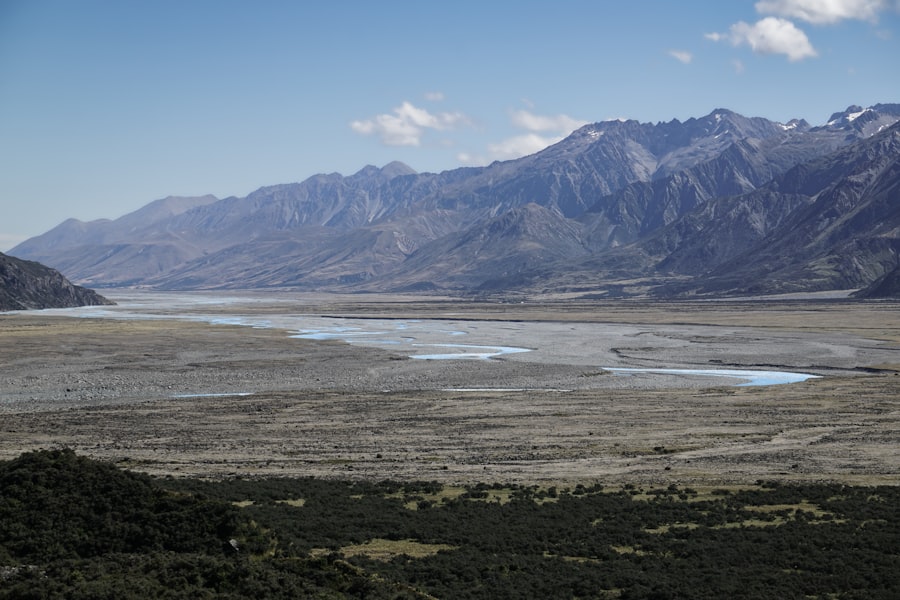
Engaging with locals is a crucial aspect of travel photography that can elevate your overall experience and result in more authentic images. By building rapport with locals, you can gain valuable insight into their culture, traditions, and way of life. This can enrich your photography by capturing genuine moments and interactions, whether through conversation or simply observing daily life.
Respecting Privacy and Cultural Norms
Seeking permission before taking someone’s photograph is essential out of respect for their privacy and cultural norms. Building trust with your subjects can lead to more relaxed and natural portraits that convey genuine emotion and authenticity.
Enhancing Your Experience and Photography
Engaging with locals is an important aspect of travel photography that not only enhances your overall experience but also results in more authentic images that tell compelling stories. By doing so, you can capture unique perspectives and stories that would have been otherwise missed.
Post-Processing and Editing Techniques
Post-processing and editing techniques are essential for enhancing the quality of your photographs and bringing out their full potential. Whether it’s adjusting exposure, contrast, or color balance, editing allows you to fine-tune your images to achieve the desired look and feel. Additionally, cropping and straightening can help improve composition while removing distractions from the frame.
Furthermore, retouching techniques such as skin smoothing or blemish removal can enhance portrait photographs while maintaining a natural appearance. It’s important to find a balance between enhancing your images while preserving their authenticity. Experimenting with different editing techniques allows you to develop your own unique style while bringing out the best in your photographs.
Post-processing and editing techniques are essential for enhancing the quality of your photographs and bringing out their full potential. Whether it’s adjusting exposure, contrast, or color balance, editing allows you to fine-tune your images to achieve the desired look and feel. Additionally, cropping and straightening can help improve composition while removing distractions from the frame.
Furthermore, retouching techniques such as skin smoothing or blemish removal can enhance portrait photographs while maintaining a natural appearance. It’s important to find a balance between enhancing your images while preserving their authenticity. Experimenting with different editing techniques allows you to develop your own unique style while bringing out the best in your photographs.
In conclusion, photography is an art form that requires careful consideration of equipment choices, composition techniques, lighting conditions, moment capture methods, research strategies when planning shoots or projects as well as engaging with locals during travel experiences; all while utilizing post-processing techniques effectively in order to produce stunning imagery that tells compelling stories through visual means.
If you’re looking to transition to a new field and pursue a career in travel photography, it’s important to have a winning resume that showcases your skills and experience. This article on how to create a winning resume provides valuable tips and advice for crafting a resume that will help you stand out to potential employers in the photography industry. By following the tips in this article, you can effectively highlight your photography skills and experience, making you a strong candidate for remote work opportunities in travel photography.


