
The digital networking landscape has undergone significant transformation in the modern era. Social media and online platforms have expanded networking opportunities beyond physical limitations, making it more accessible to a global audience. Professionals seeking to broaden their connections and prospects must comprehend this evolving digital ecosystem.
Digital networking encompasses various platforms and tools, including social media, professional networking sites, online communities, and virtual events. These platforms enable individuals to connect with professionals worldwide, exchange ideas, and collaborate on projects. Real-time communication features facilitate maintaining connections regardless of geographical distances.
The digital networking landscape offers abundant resources for professional development, such as industry-specific forums, online webinars, and workshops. This wealth of knowledge and expertise is readily available to professionals, enhancing their ability to stay competitive in a rapidly changing business environment. Effectively navigating and utilizing these resources is crucial for career growth and success.
The digital networking landscape has created unprecedented opportunities for professionals to connect, collaborate, and advance their careers in ways that were previously unattainable. As this landscape continues to evolve, it remains an essential aspect of modern professional life, offering new avenues for growth and development.
Key Takeaways
- The digital networking landscape is constantly evolving and requires a deep understanding of various online platforms and tools.
- Social media can be a powerful tool for networking, but it requires a strategic approach and consistent engagement to be effective.
- Building and maintaining a professional online presence is crucial for networking success, and it involves creating a strong personal brand and showcasing expertise.
- Online platforms offer a wide range of networking events and opportunities, and leveraging them can lead to valuable connections and collaborations.
- Nurturing relationships in the digital space requires genuine engagement, active listening, and providing value to your network.
- Overcoming challenges and pitfalls of digital networking involves being mindful of online etiquette, managing online reputation, and staying updated on digital trends.
- Adapting traditional networking skills to the digital age involves mastering virtual communication, leveraging digital tools, and staying authentic in online interactions.
Leveraging Social Media for Networking
Establishing a Strong Online Presence
Leveraging social media for networking involves creating a strong and professional online presence, engaging with relevant content, and actively participating in industry discussions.
Positioning Yourself as a Thought Leader
By sharing valuable insights, participating in conversations, and showcasing expertise, professionals can position themselves as thought leaders in their respective fields. Moreover, social media allows professionals to stay updated on industry trends, news, and events, making it easier to identify networking opportunities and stay connected with industry peers.
Showcasing Accomplishments and Skills
Additionally, social media provides a platform for professionals to showcase their accomplishments, skills, and experiences, making it easier for potential employers or collaborators to discover and connect with them.
The Importance of Social Media in Networking
Overall, leveraging social media for networking is an essential skill in today’s digital age and can significantly expand professional connections and opportunities.
Building and Maintaining an Online Professional Presence

Building and maintaining an online professional presence is crucial for success in the digital networking landscape. This involves creating a strong personal brand that reflects one’s expertise, values, and professional goals. A professional online presence can be established through a well-crafted LinkedIn profile, a personal website or blog, and active engagement on relevant social media platforms.
It is important to showcase one’s skills, experiences, and achievements in a clear and compelling manner to attract potential connections and opportunities. Furthermore, maintaining an online professional presence requires consistent engagement and interaction with one’s network. This can involve sharing industry-related content, participating in discussions, and reaching out to new connections.
By staying active and visible within the online community, professionals can build credibility and trust with their network. Additionally, maintaining an online professional presence involves regularly updating one’s profile with new accomplishments and experiences to reflect ongoing professional growth. Overall, building and maintaining an online professional presence is essential for establishing credibility, expanding one’s network, and attracting new opportunities in the digital space.
Utilizing Online Platforms for Networking Events and Opportunities
Online platforms offer a wide range of networking events and opportunities that can be leveraged to expand professional connections and knowledge. Virtual conferences, webinars, workshops, and industry-specific forums provide professionals with the ability to engage with like-minded individuals from around the world. These events offer valuable opportunities to learn from industry experts, share insights, and connect with potential collaborators or employers.
Additionally, online platforms often host networking events specifically designed to facilitate connections between professionals in a particular industry or field. Furthermore, online platforms provide professionals with access to job fairs, recruitment events, and career development workshops that can help advance their careers. These events offer opportunities to connect with potential employers, learn about job openings, and gain insights into industry trends and best practices.
By utilizing online platforms for networking events and opportunities, professionals can expand their network, stay updated on industry developments, and access valuable resources that can contribute to their professional growth.
Nurturing Relationships in the Digital Space
Nurturing relationships in the digital space is essential for building strong and meaningful connections with professional contacts. This involves engaging in meaningful conversations, offering support and assistance when needed, and staying connected with contacts over time. Building rapport and trust with connections in the digital space requires active engagement through likes, comments, shares, and direct messages.
By showing genuine interest in others’ work and accomplishments, professionals can foster long-lasting relationships that can lead to collaboration or mentorship opportunities. Moreover, nurturing relationships in the digital space involves staying connected with contacts through regular communication. This can involve reaching out to contacts on important milestones such as work anniversaries or promotions, or simply checking in to see how they are doing.
By staying engaged and supportive of one’s network, professionals can build a strong foundation for future collaborations or referrals. Overall, nurturing relationships in the digital space is crucial for building a strong and reliable network of professional contacts.
Overcoming Challenges and Pitfalls of Digital Networking
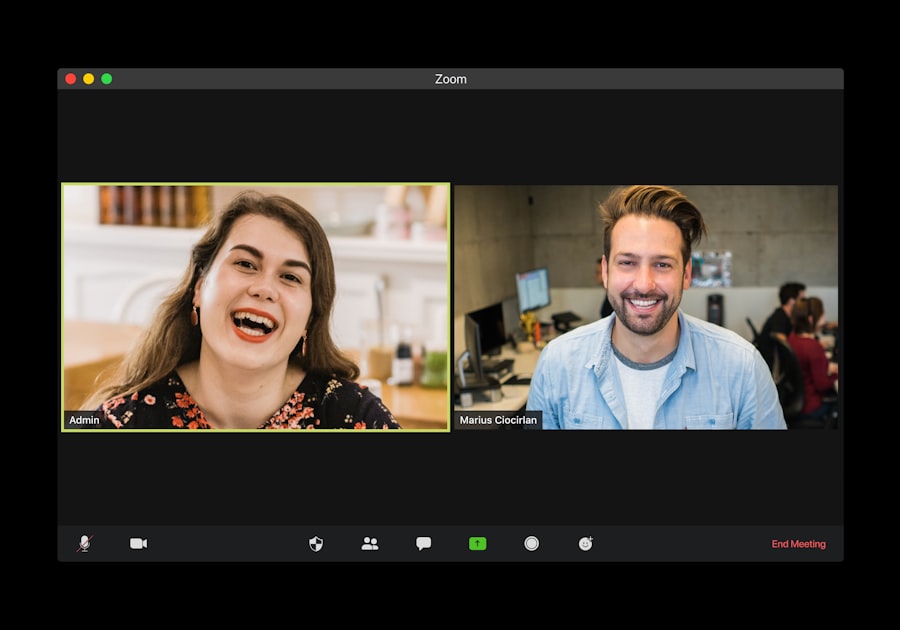
While digital networking offers numerous benefits, it also comes with its own set of challenges and pitfalls that professionals must navigate. One common challenge is the potential for miscommunication or misunderstandings in online interactions. Without the benefit of face-to-face communication, it can be easy for messages to be misinterpreted or for tone to be misconstrued.
Additionally, maintaining a work-life balance in the digital space can be challenging as professionals may feel pressured to be constantly available and responsive to their network. Furthermore, digital networking can also lead to information overload as professionals are bombarded with a constant stream of content and messages. It can be overwhelming to filter through the noise and identify valuable opportunities or connections.
Additionally, privacy and security concerns are prevalent in the digital space as professionals must be cautious about sharing personal information or engaging with unknown contacts. Overcoming these challenges requires developing strong communication skills, setting boundaries for online engagement, and being mindful of privacy and security measures.
Adapting Traditional Networking Skills to the Digital Age
Adapting traditional networking skills to the digital age is essential for professionals looking to thrive in today’s interconnected world. While face-to-face interactions are still valuable, digital networking requires a different set of skills and strategies. For example, active listening is just as important in the digital space as it is in traditional networking settings.
Professionals must pay attention to what their contacts are sharing online and engage thoughtfully in conversations. Moreover, building trust and credibility remains crucial in the digital age. Professionals must demonstrate authenticity and transparency in their online interactions to build meaningful connections with their network.
Additionally, effective communication skills are essential for conveying one’s message clearly and professionally in the digital space. Whether it’s through written communication on social media or virtual meetings, professionals must be able to articulate their thoughts effectively. In conclusion, understanding the digital networking landscape is crucial for professionals looking to expand their connections and opportunities.
Leveraging social media for networking offers a powerful way to connect with colleagues and potential employers on a global scale. Building and maintaining an online professional presence is essential for success in the digital networking landscape. Utilizing online platforms for networking events provides valuable opportunities to learn from industry experts and connect with potential collaborators or employers.
Nurturing relationships in the digital space is essential for building strong connections with professional contacts. Overcoming challenges of digital networking requires developing strong communication skills and being mindful of privacy and security measures. Adapting traditional networking skills to the digital age is essential for professionals looking to thrive in today’s interconnected world.
If you’re interested in learning about the impact of technology on sports, you should check out this article on how wearables and analytics are changing the game. It’s a fascinating look at how technology is revolutionizing the way athletes train and compete.


